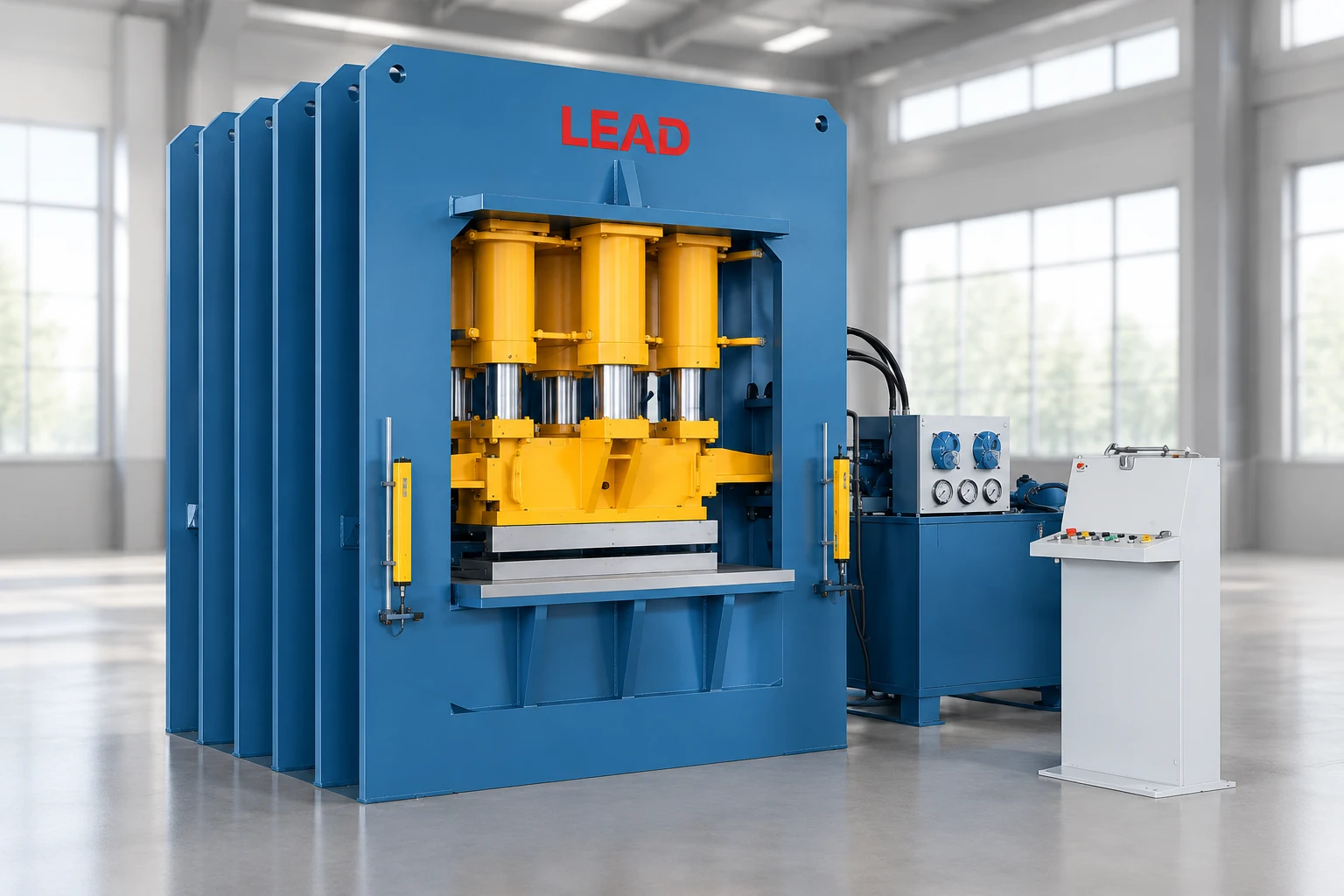
3000T H-Frame Door Panel Embossing Machine
Single-action H-frame press for crisp, repeatable patterns on steel and steel-wood door skins.
View machine ↗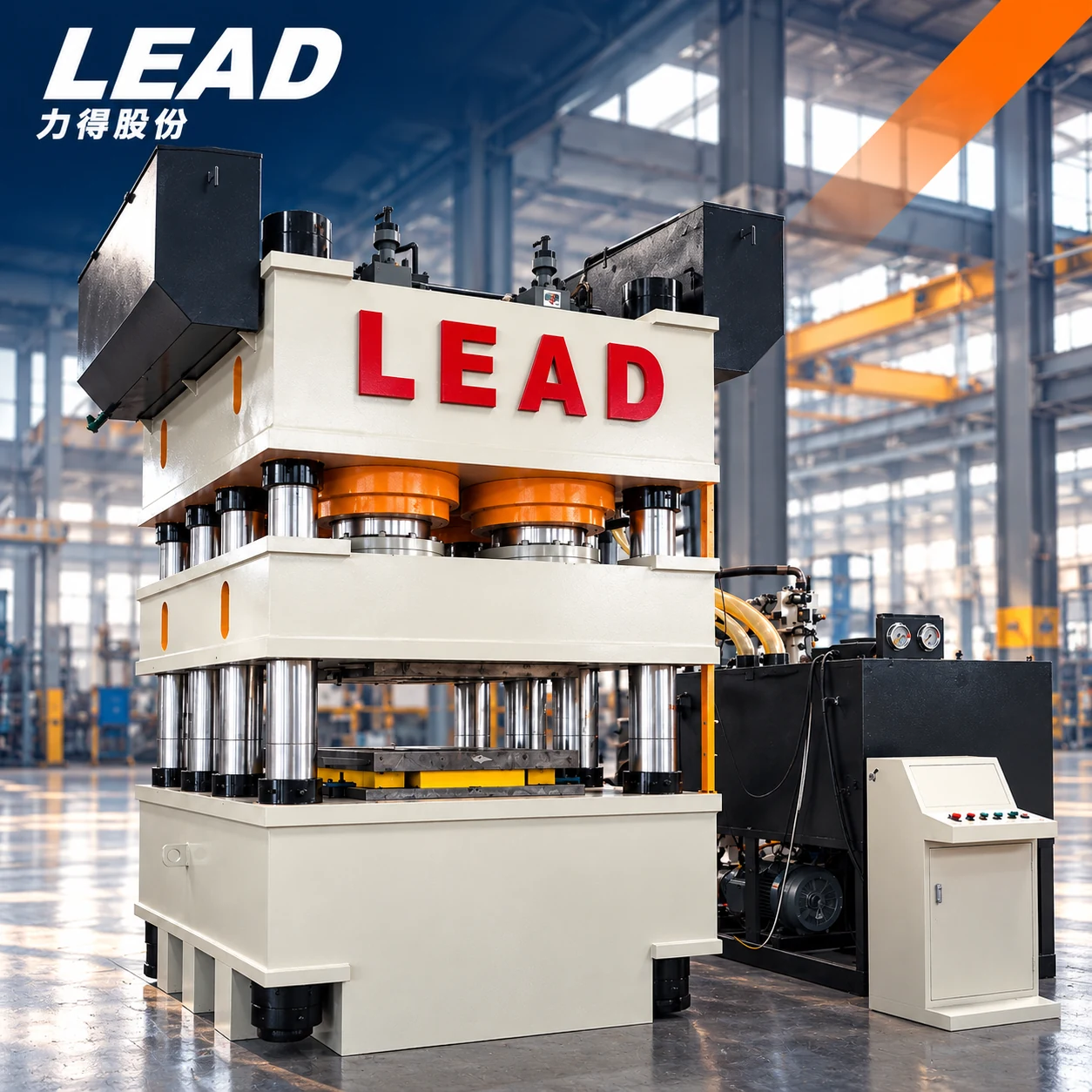
Purpose-built 2000T–4500T hydraulic presses for security doors, steel-wood doors, interior doors and decorative metal panels. Engineered for definition, repeatability and efficient die work.
A door skin must carry the same crisp pattern from edge to edge, cycle after cycle. That requires more than nominal force: frame deflection, slide guidance, pressure distribution, material flow and die access all affect the finished panel.
LEAD configures the press around your door design and production method. The result is a practical forming cell—not an oversized general-purpose machine.
Rigid frame options and guided moving platens support consistent pressure across the die.
Single- and double-action configurations match different pattern depths and sheet behaviors.
Daylight, stroke, table and die-change options are designed around your actual tool set.
PLC/HMI recipes, pressure holding, stroke settings and safety integration support repeatable operation.
Compare the structural starting points. Final selection depends on your panel, tooling, loading pattern and production layout.
Welded straight-side construction provides a stiff, accessible working zone. A strong choice for dedicated door formats, efficient plant layouts and projects where tooling access is a priority.
View 3000T H-frame ↗| Design factor | H-frame platform |
|---|---|
| Construction | Stress-relieved welded frame |
| Typical capacity | 2000–3600T |
| Action | Single or double action |
| Best fit | Dedicated formats, accessible tooling |
| Options | Quick die change, feeding, PLC/HMI |
Three-beam eight-column construction distributes load through multiple precision-guided columns. Designed for large working areas, demanding patterns and high-rigidity production requirements.
View 3600T eight-column ↗| Design factor | Eight-column platform |
|---|---|
| Construction | Three-beam eight-column frame |
| Typical capacity | 2500–4500T |
| Action | Single or double action |
| Best fit | Large panels, complex patterns |
| Options | Quick die change, automation, PLC/HMI |
These models show common configurations. Working table, stroke, daylight, speed, action and safety equipment are finalized for each project.
Single-action H-frame press for crisp, repeatable patterns on steel and steel-wood door skins.
View machine ↗High-rigidity eight-column platform for large door skins and demanding full-panel embossing.
View machine ↗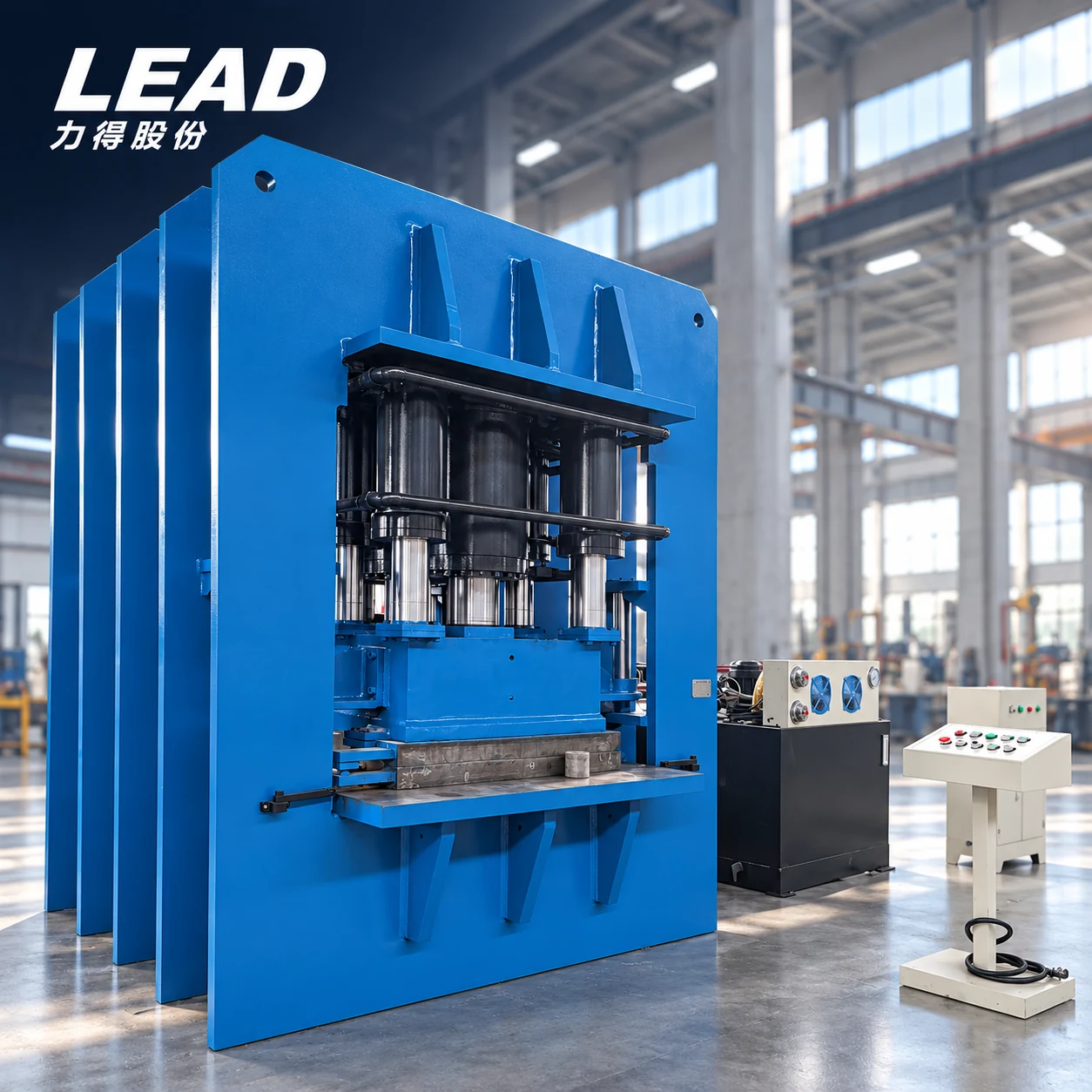
Double-action forming control for steel door panels requiring controlled material flow and detailed patterns.
View machine ↗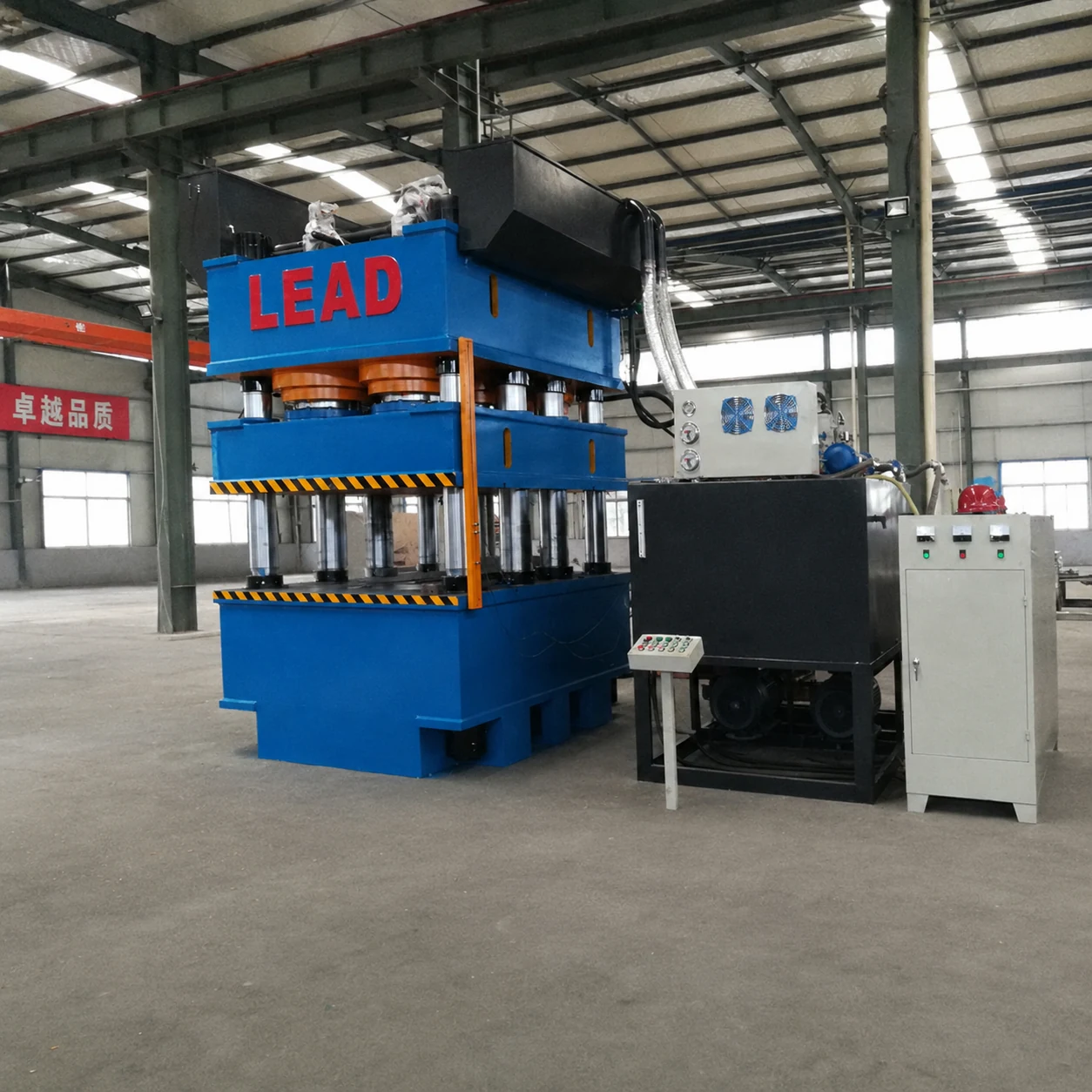
Eight-column double-action press engineered for complex door skin geometries and consistent embossing depth.
View machine ↗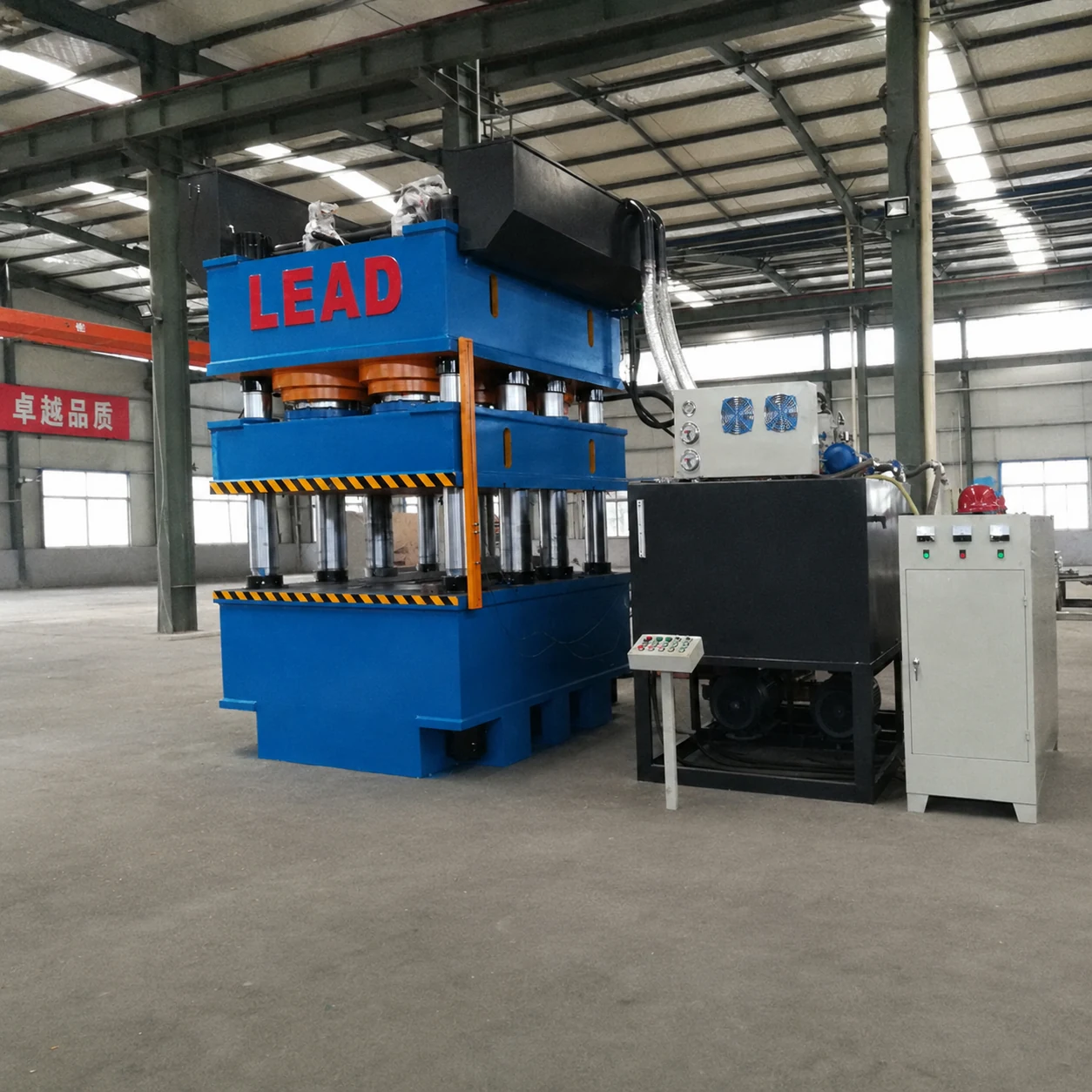
Balanced eight-column pressing platform for steel-wood door production and multi-pattern die work.
View machine ↗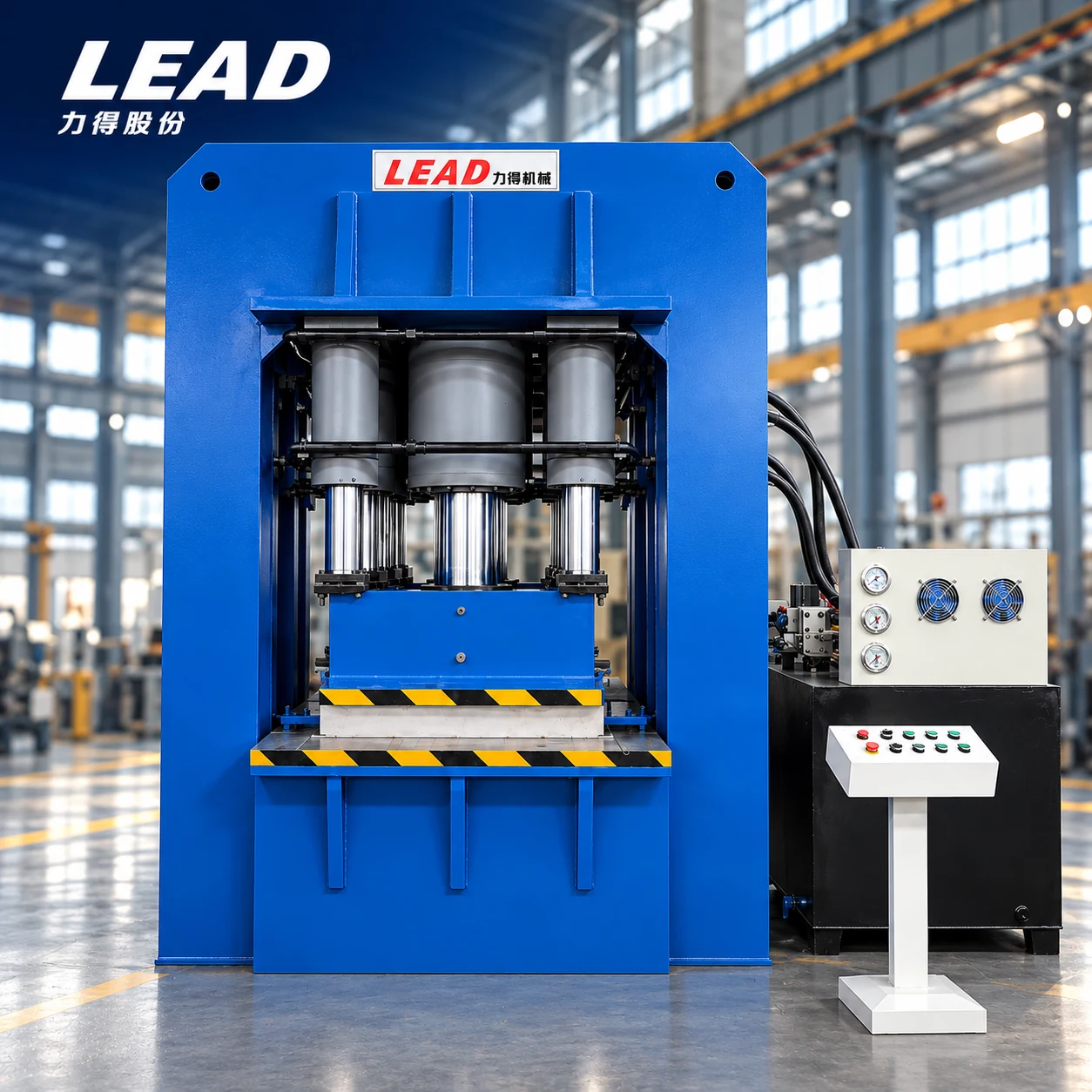
Application-engineered door skin press with configurable table, stroke, daylight and automation.
View machine ↗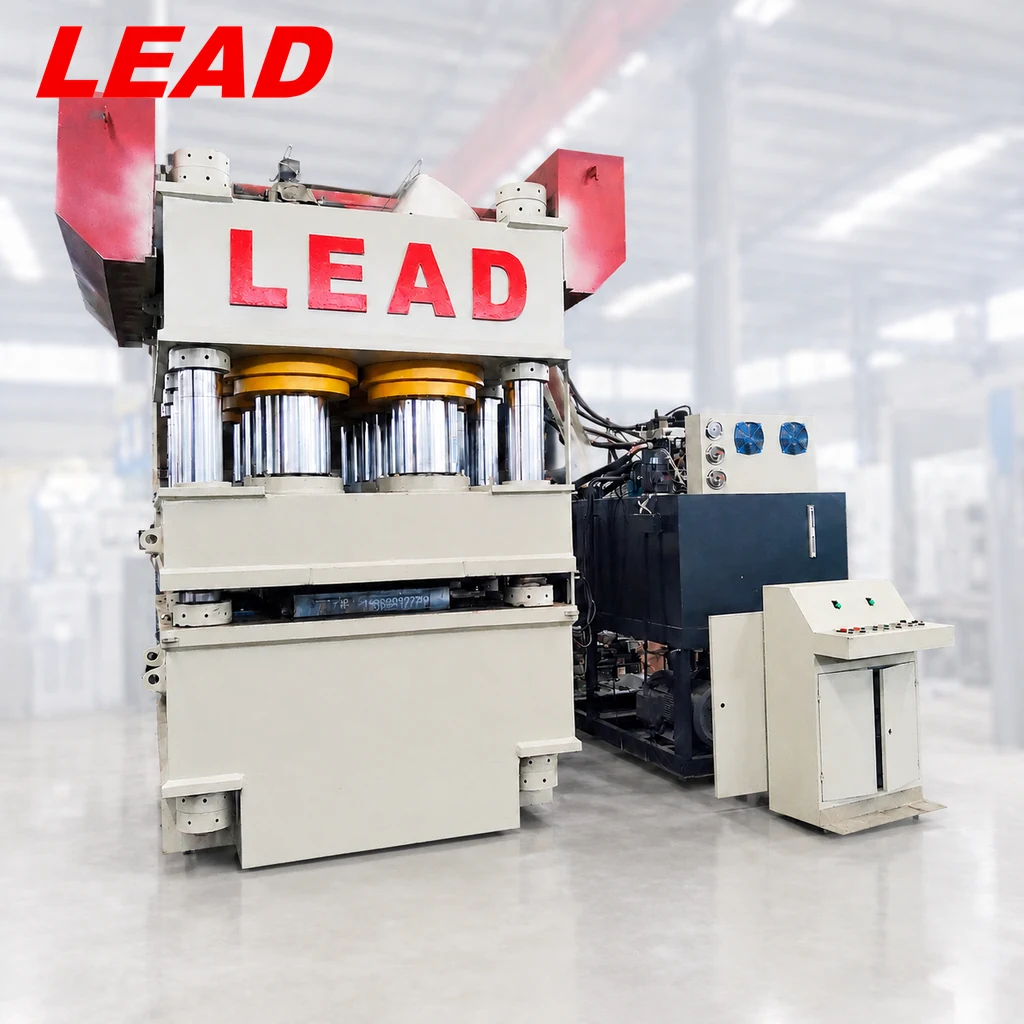
Single-action eight-column machine for repeatable security door skin embossing and multi-pattern production.
View machine ↗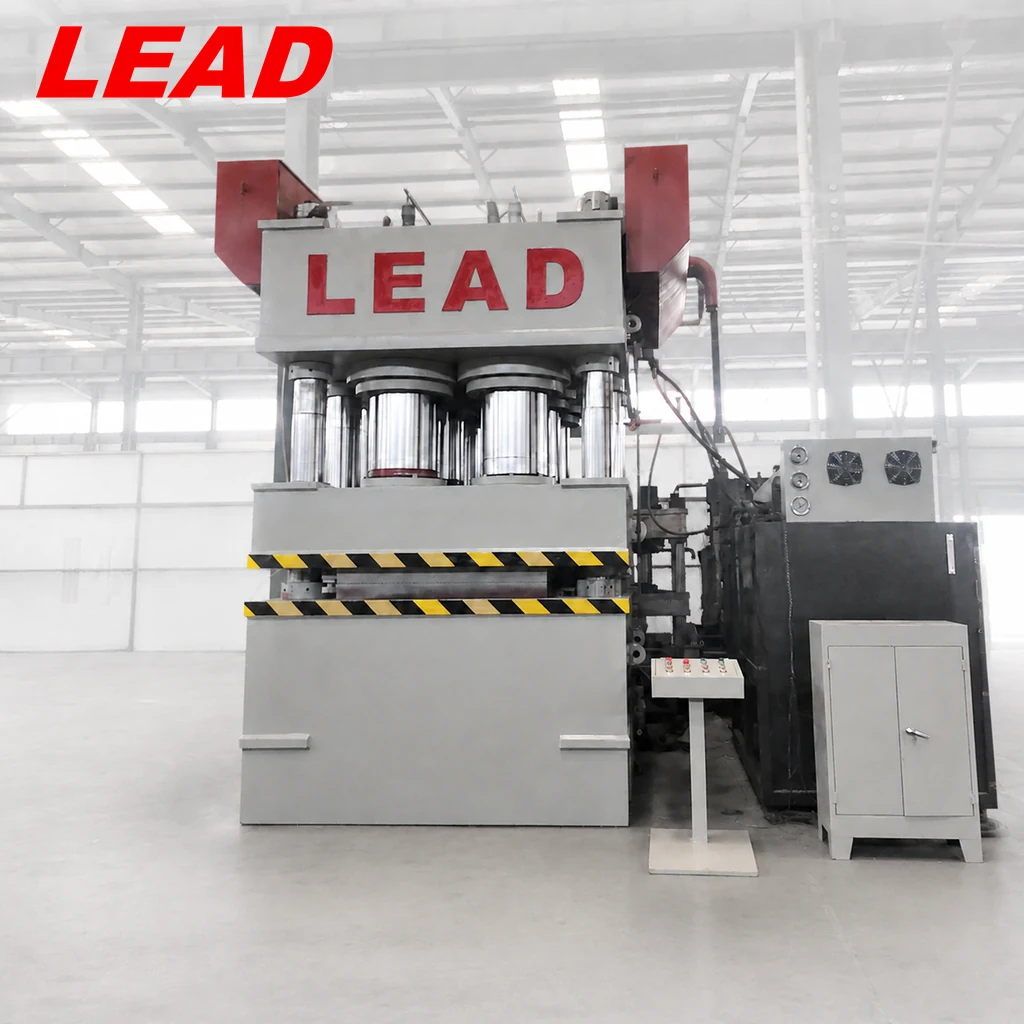
Maximum-capacity eight-column platform for large steel door skins and demanding full-panel patterns.
View machine ↗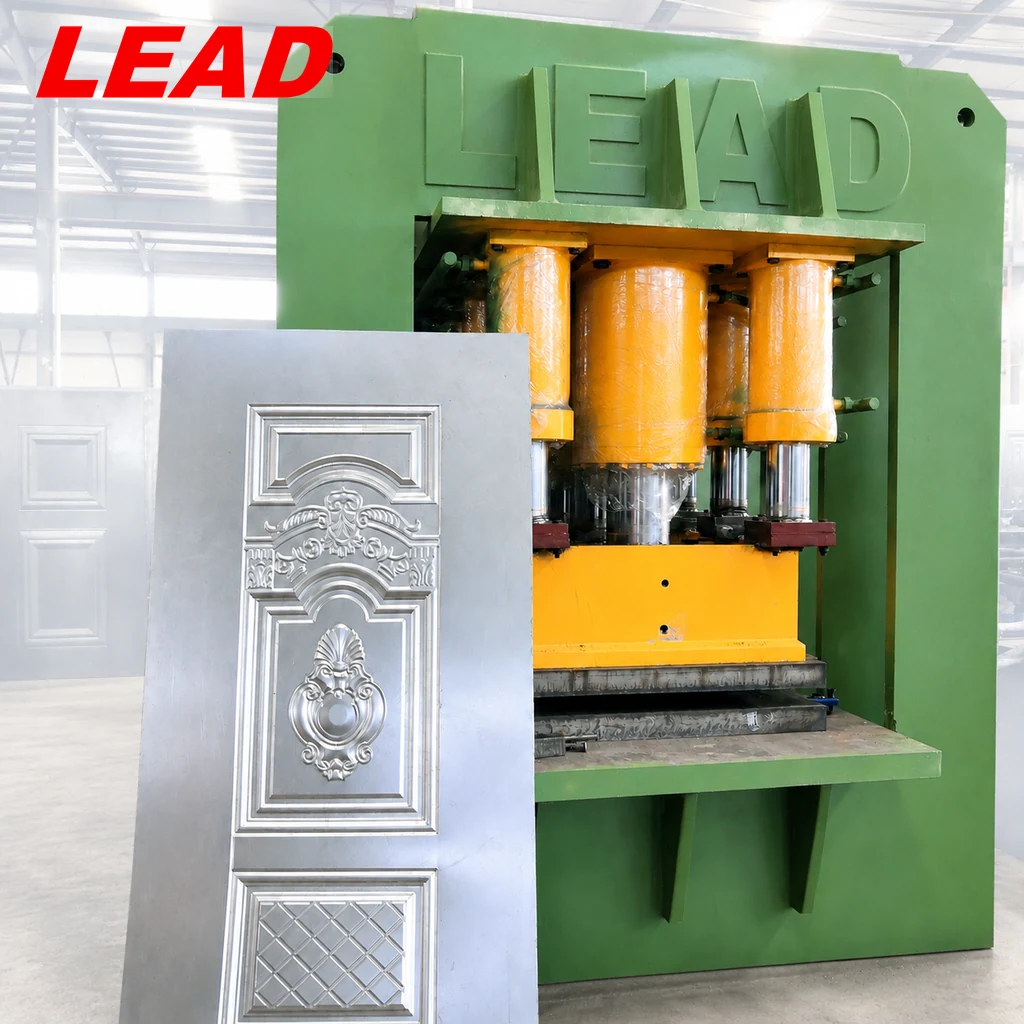
Double-action H-frame press for controlled material flow and detailed stainless or steel door patterns.
View machine ↗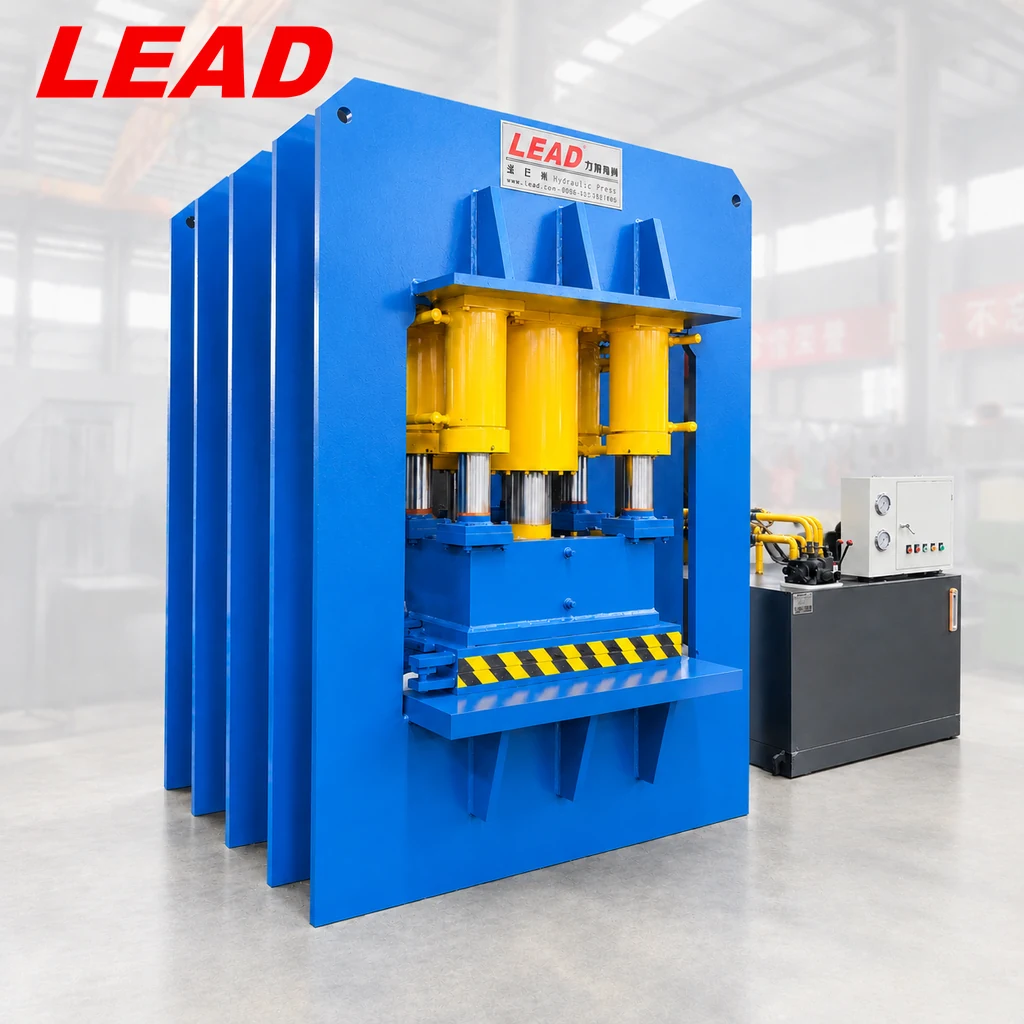
Rigid H-frame machine for security, interior and courtyard door skin forming with custom tooling support.
View machine ↗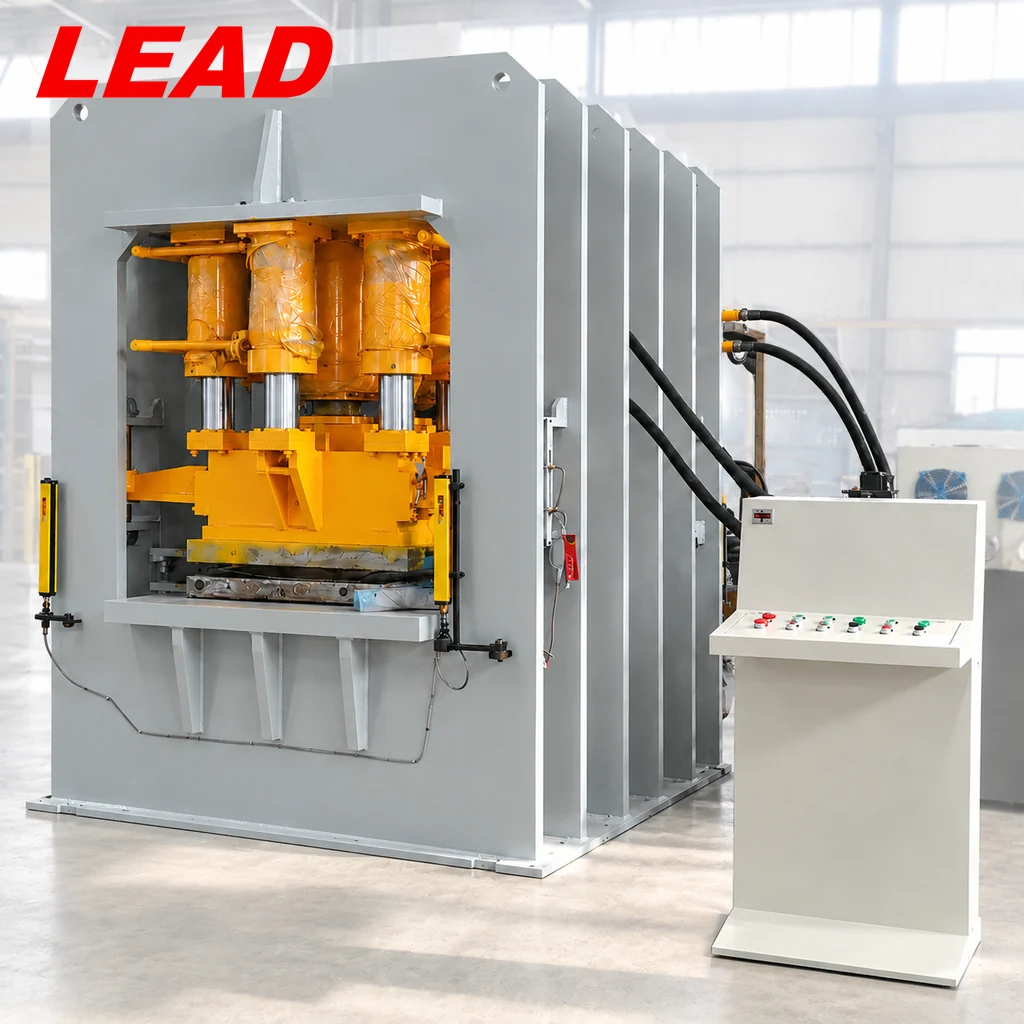
Production-focused H-frame door press for crisp steel patterns, repeatable cycles and accessible die work.
View machine ↗Clear technical inputs at the beginning reduce risk during manufacturing, commissioning and die validation.
Share panel drawings, material, thickness, pattern and target output. We review the forming task and die conditions.
We define frame, force, action, table, daylight, stroke, controls, safety and handling options.
Welding, machining, assembly and load testing are completed in-house with documented inspection.
Remote or on-site commissioning, operator guidance, English documentation and spare-parts support.
Get an indicative tonnage range and send your inputs directly to our engineering team. This guide does not replace tooling-based force calculation.
Technical answers for machine buyers, production managers and door manufacturing teams.
Tonnage depends on panel dimensions, sheet material and thickness, pattern depth and die design. Many projects fall in the 2000T–4500T range, but the correct force must be calculated from your actual panel and tooling. Send a drawing or sample for an engineering recommendation.
An H-frame uses a rigid welded straight-side structure and offers excellent accessibility. An eight-column press uses a three-beam, multi-column structure to distribute force across large working areas. The better choice depends on panel size, pattern, eccentric loading, die change and factory layout.
Double action provides independently controlled pressing and blank-holding functions. It can help manage material flow for deeper or more complex patterns. For simpler shallow patterns, a single-action configuration may be sufficient and more economical.
Yes. Die change, loading, unloading, conveyors and line integration can be configured around your production targets. Automation should be evaluated together with the die and panel handling requirements.
Please provide panel length and width, material, sheet thickness, pattern drawing or photo, required output, preferred voltage and destination port. Photos of existing dies and your current line are also useful.
Send your part drawing, panel size and output target. Our engineers will recommend the machine structure, tonnage and options for your process.