Why there is no universal tons-per-door formula
Door embossing force is influenced by the contact area under pressure, sheet yield behavior, thickness, pattern depth, lubrication, die geometry and whether blank holding is required. A simple “door width multiplied by a fixed tonnage” rule can be misleading.
The engineering starting concept is force related to effective forming area multiplied by required forming pressure, with allowances for the process and machine operating window. The difficult part is determining the correct pressure and contact conditions for the real die.
The panel variables that change the recommendation
Material and thickness are the first inputs, but they are not enough. A shallow decorative pattern and a deep multi-level design can require different forming strategies even on identical sheet.
- Panel length, width and effective embossed area
- Steel, galvanized sheet or stainless steel grade
- Sheet thickness and tolerance
- Pattern depth, sharpness and distribution
- Die construction, shut height and contact sequence
- Single-action or double-action forming method
Where common capacity ranges fit
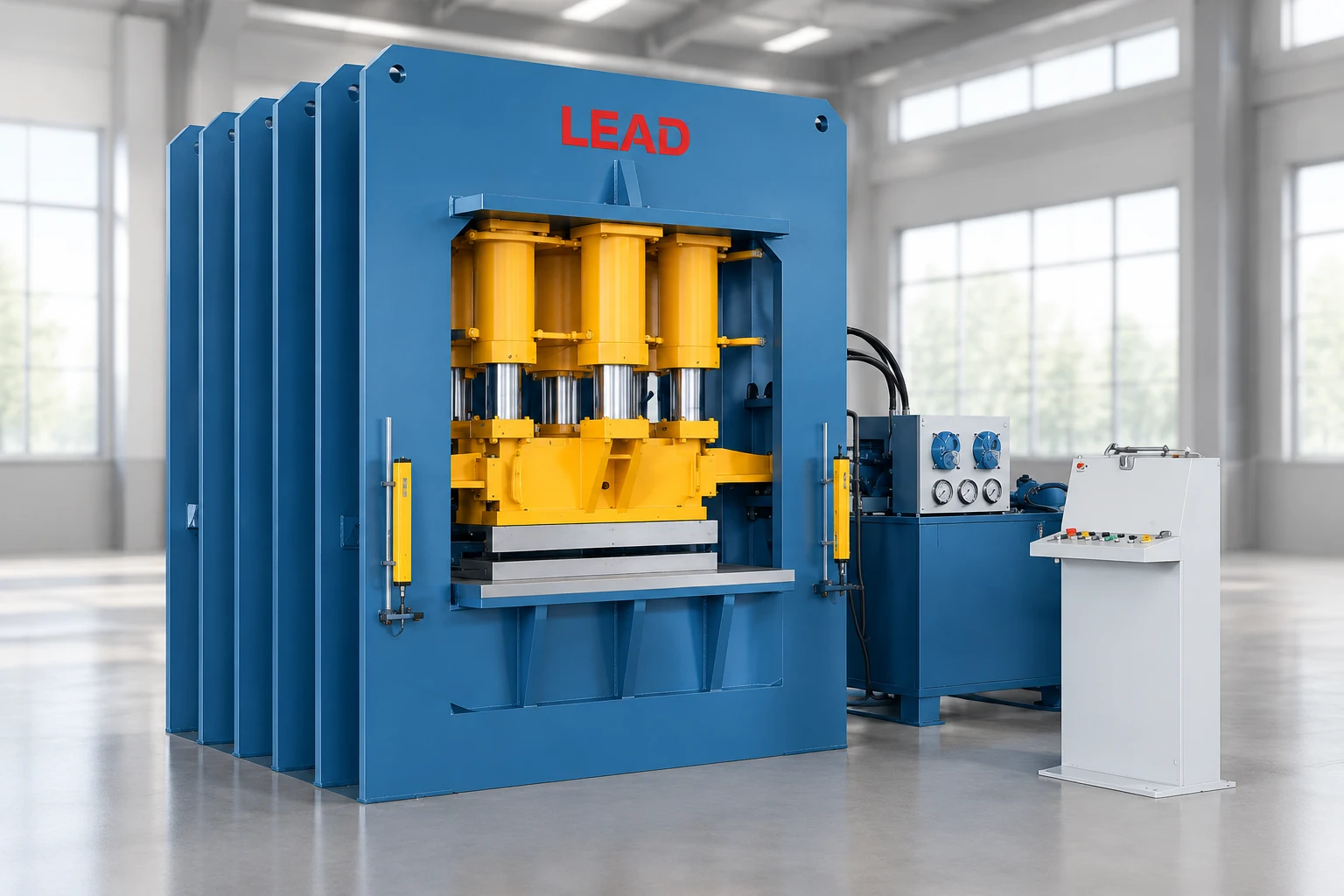
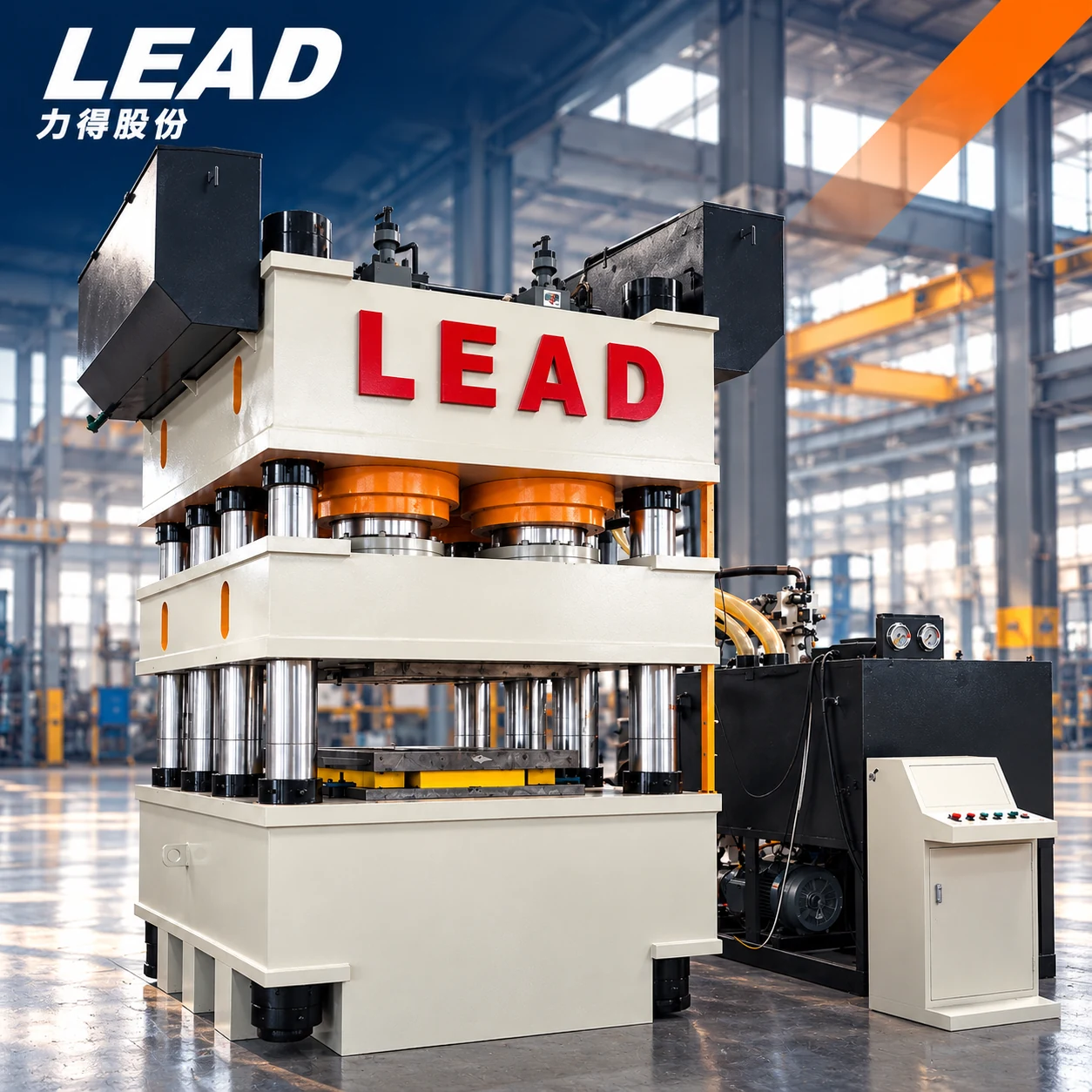
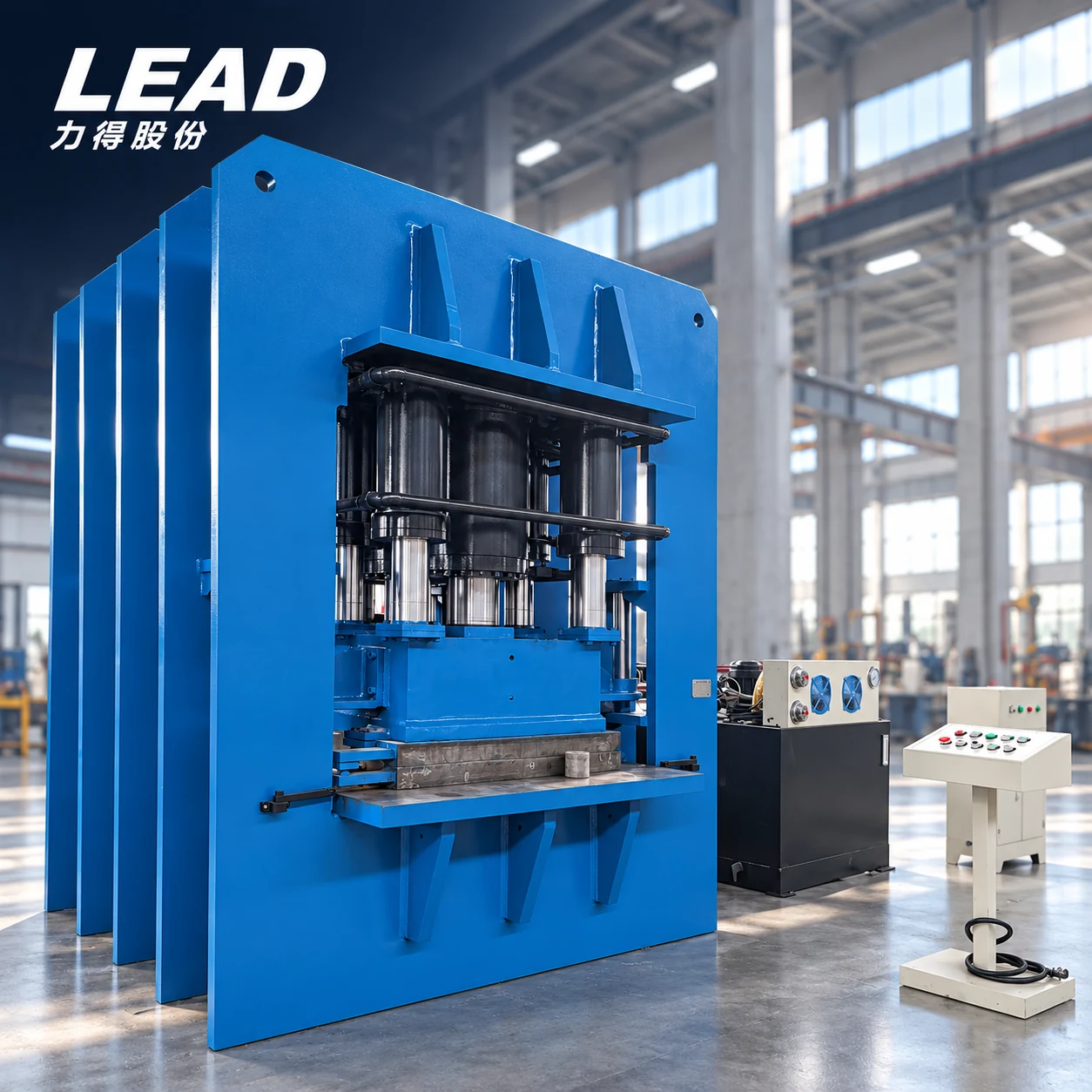
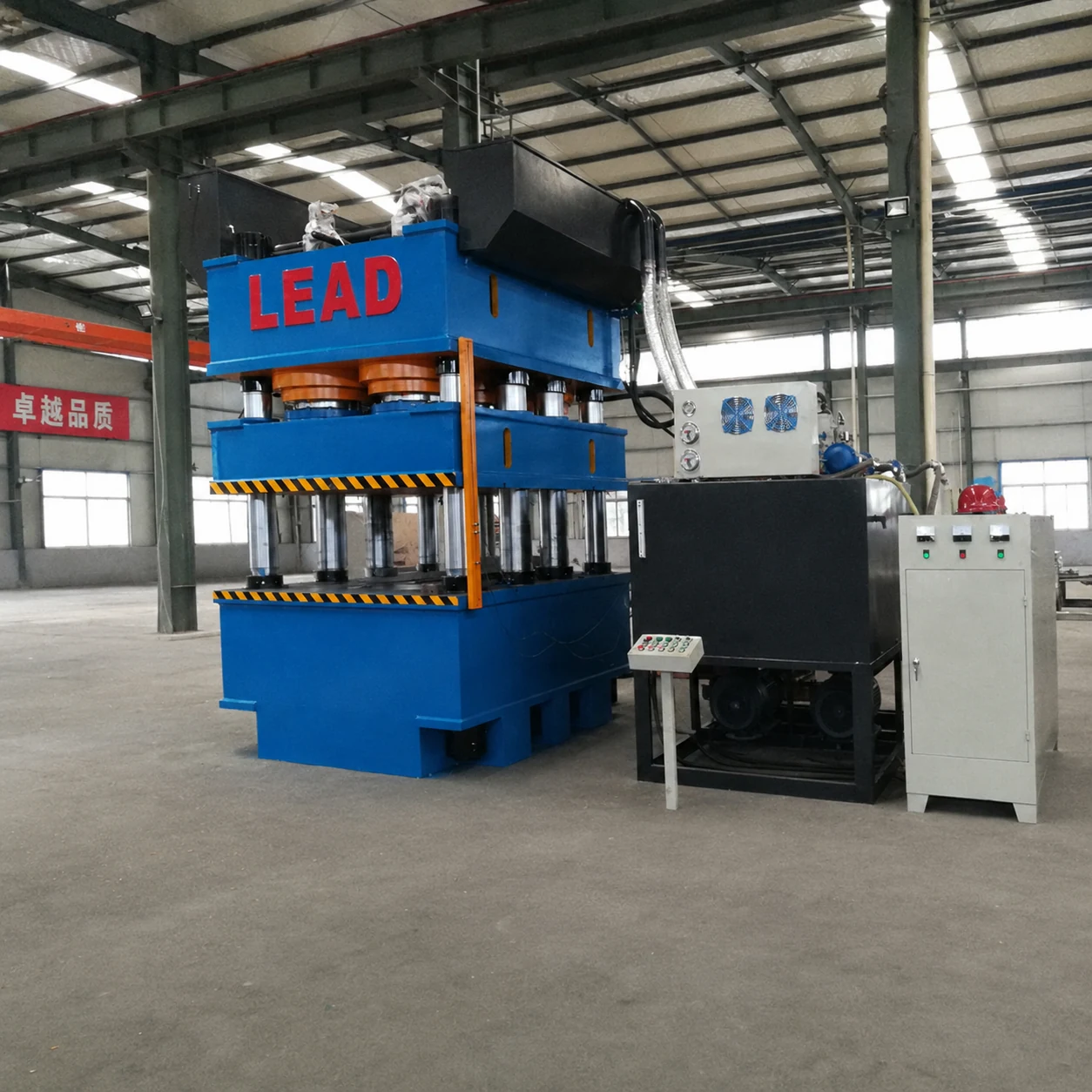
Many standard door projects begin by evaluating machines between 2000T and 3000T. Larger panels, deeper patterns or more demanding material conditions may move the discussion toward 3600T or 4500T.
These ranges are indicative only. A higher-capacity press also needs a suitable table, frame stiffness, hydraulic flow and guidance system. Tonnage without the correct working geometry does not solve the application.
Why running at the limit is a poor strategy
A press should not be selected so that every cycle requires its absolute maximum force. A reasonable engineering window supports process variation, tool wear and stable long-term operation.
Oversizing without review can also increase investment, energy demand, foundation requirements and machine footprint. The objective is an appropriate working range, not the largest number on the quotation.
What to send LEAD for a tonnage review
Send the drawing or a clear pattern photograph with dimensions, material and thickness. Include die information and a sample photo if available. For complex patterns, a physical sample or trial data is especially useful.
LEAD can then review force, frame structure, action, table, daylight and hydraulic configuration as one proposal rather than quoting tonnage in isolation.
Need a machine recommendation?
Send your panel drawing, material, thickness and target output. LEAD engineers will review the application and propose a suitable configuration.
Request an engineering review ↗