Two structures, two different engineering starting points
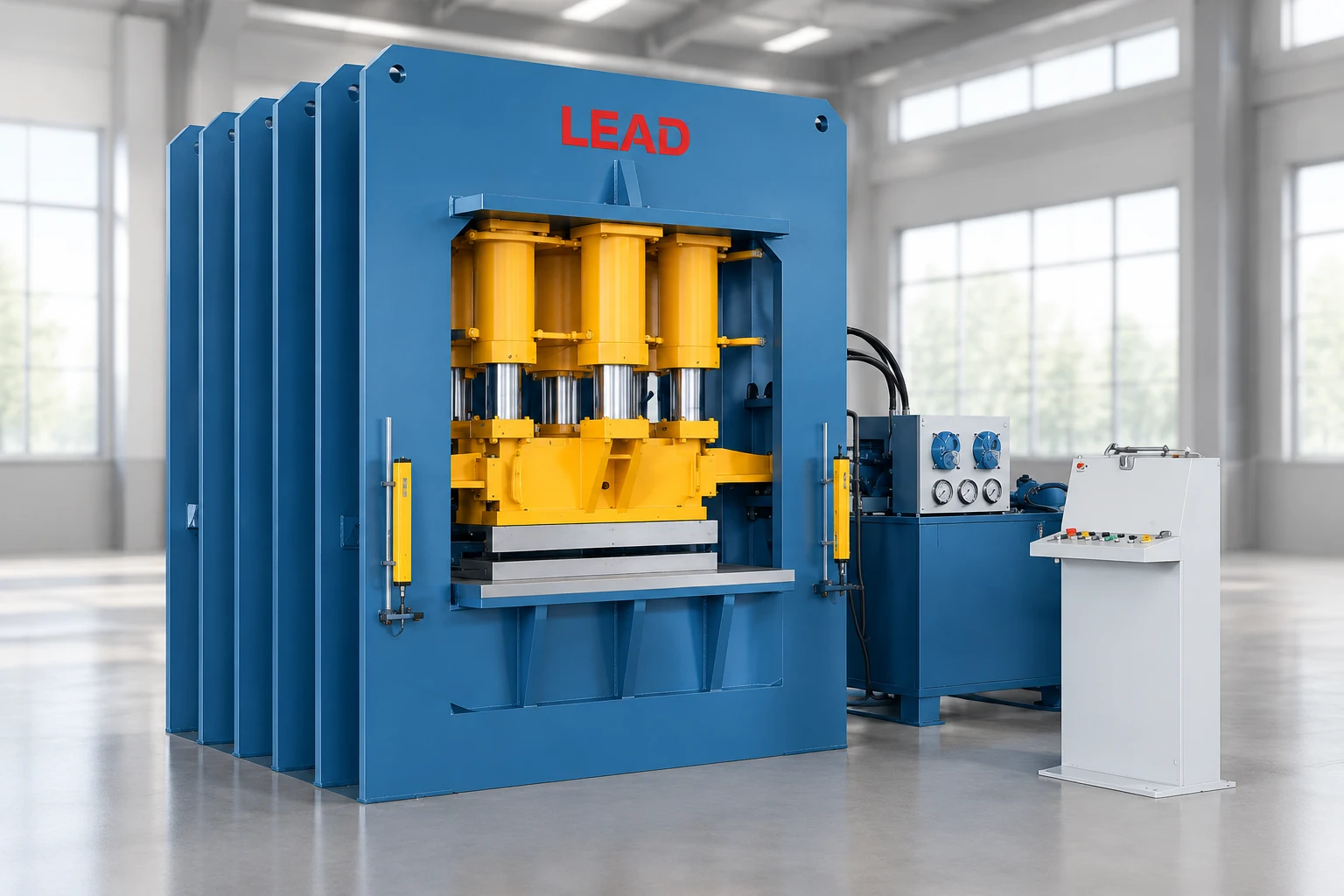
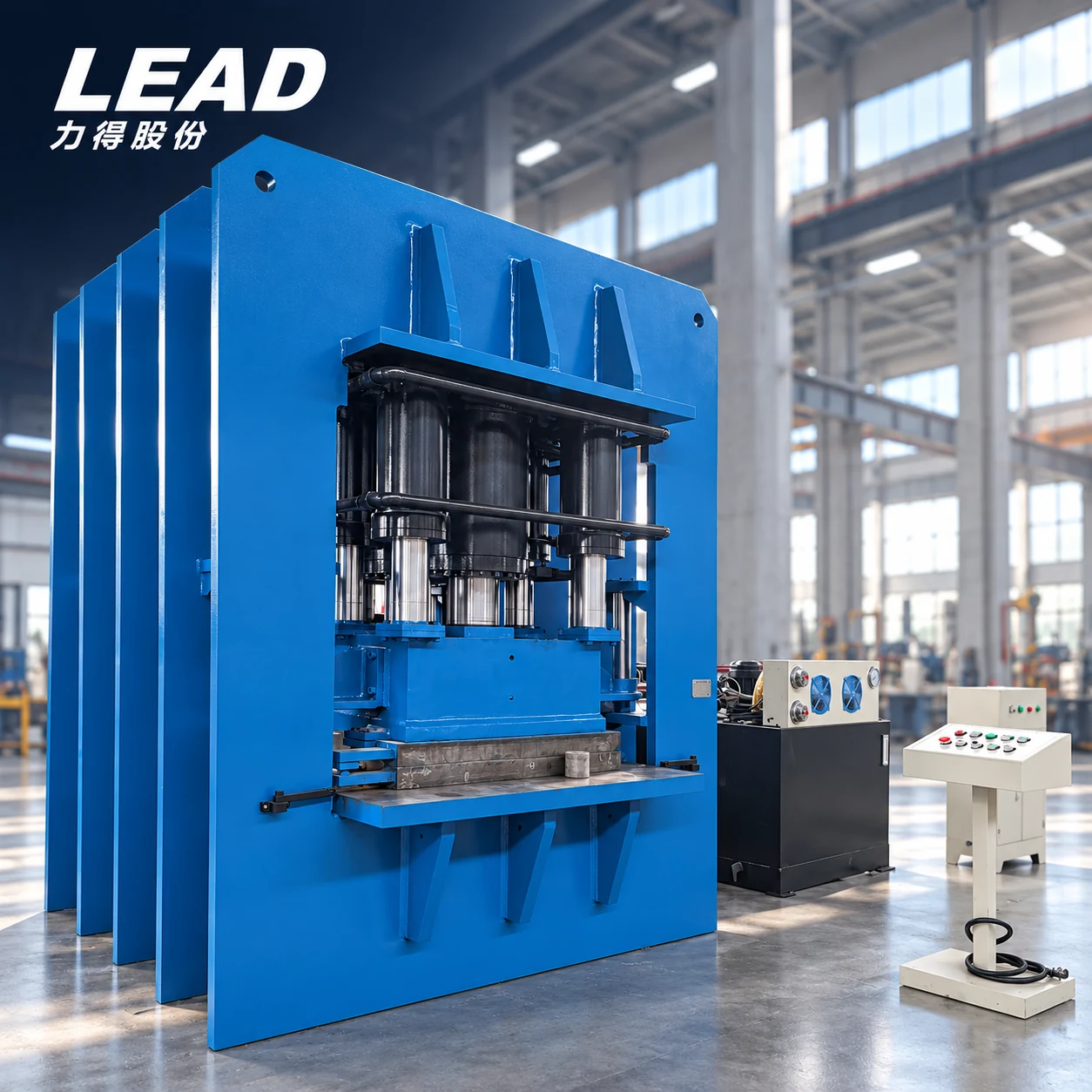
H-frame and eight-column door presses can both produce steel door skins. Their difference lies in how the structure carries load, guides the moving platen and fits the tooling and production layout.
Selecting by appearance or by assuming one structure is always superior can lead to the wrong machine. Start with panel format, loading pattern, dies and changeover requirements.
H-frame: rigidity with efficient access
An H-frame press uses a welded straight-side structure. After welding and stress relief, critical surfaces are machined to create a rigid working frame. Open access around the working zone can simplify die handling and maintenance.
This platform is often evaluated for dedicated door formats, efficient footprints and applications where straightforward tooling access is valuable. Table, stroke and daylight remain project-specific.
Eight-column: distributed guidance for large working areas
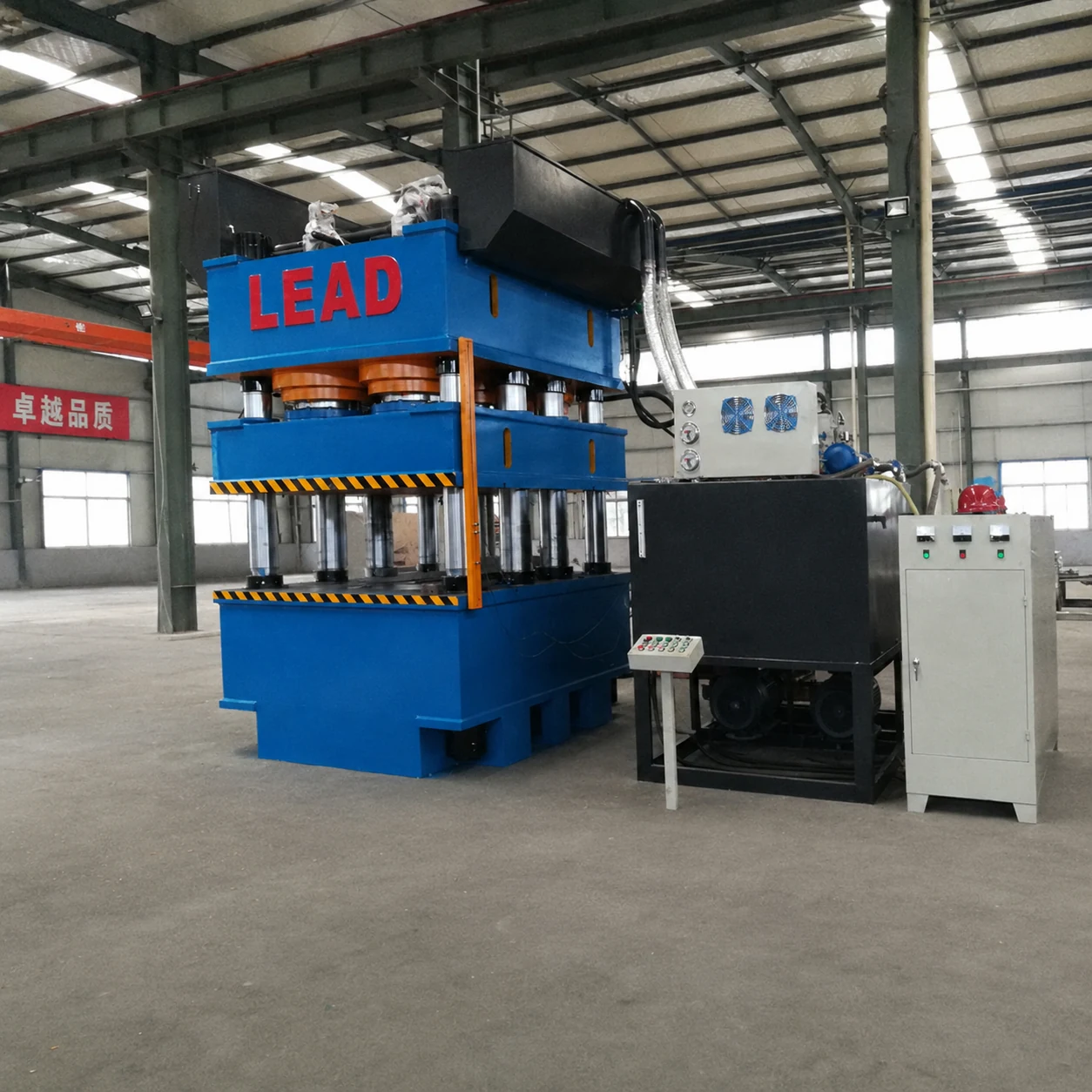
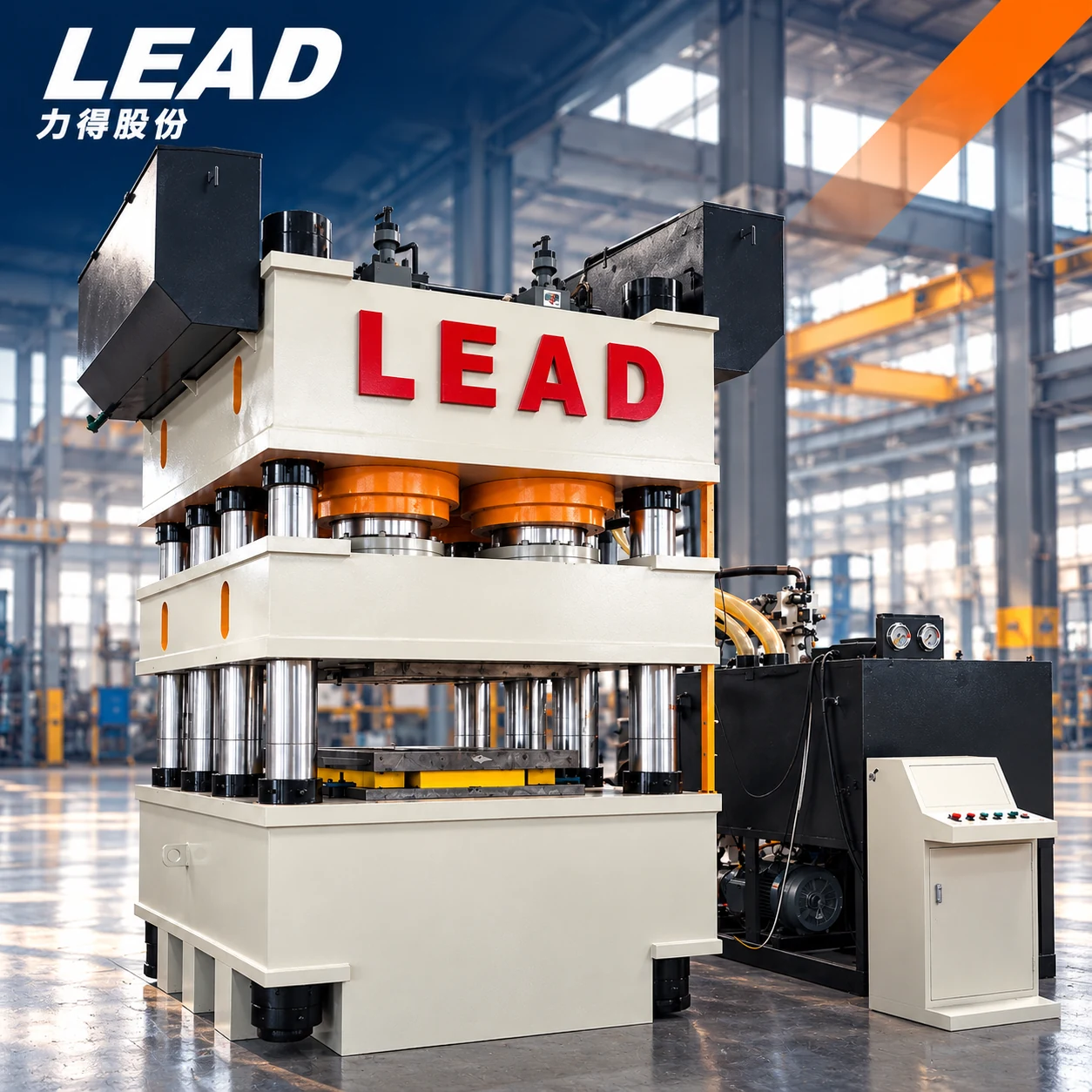
A three-beam eight-column press uses upper and lower beams connected through multiple guided columns. The structure distributes load across the working area and supports a large guided moving platen.
It is frequently considered for large panels, demanding full-panel patterns and production requirements where distributed guidance is a priority. Column alignment, machining and assembly quality are critical.
Compare the factors that affect production
The best structure is the one that fits the complete process. Evaluate the following in the supplier’s technical proposal.
- Frame deflection and slide guidance under the actual load
- Die dimensions, shut height and changeover method
- Loading and unloading direction
- Maintenance access and hydraulic-unit position
- Automation and conveyor integration
- Installation footprint and ceiling height
Ask for a structure recommendation with reasons
A useful supplier should explain why a structure was selected for your panel and die. Request the proposed layout, working dimensions and control sequence, then review them with your production and tooling teams.
LEAD manufactures both platforms, so the recommendation can begin with the application rather than a preference for one frame type.
Need a machine recommendation?
Send your panel drawing, material, thickness and target output. LEAD engineers will review the application and propose a suitable configuration.
Request an engineering review ↗