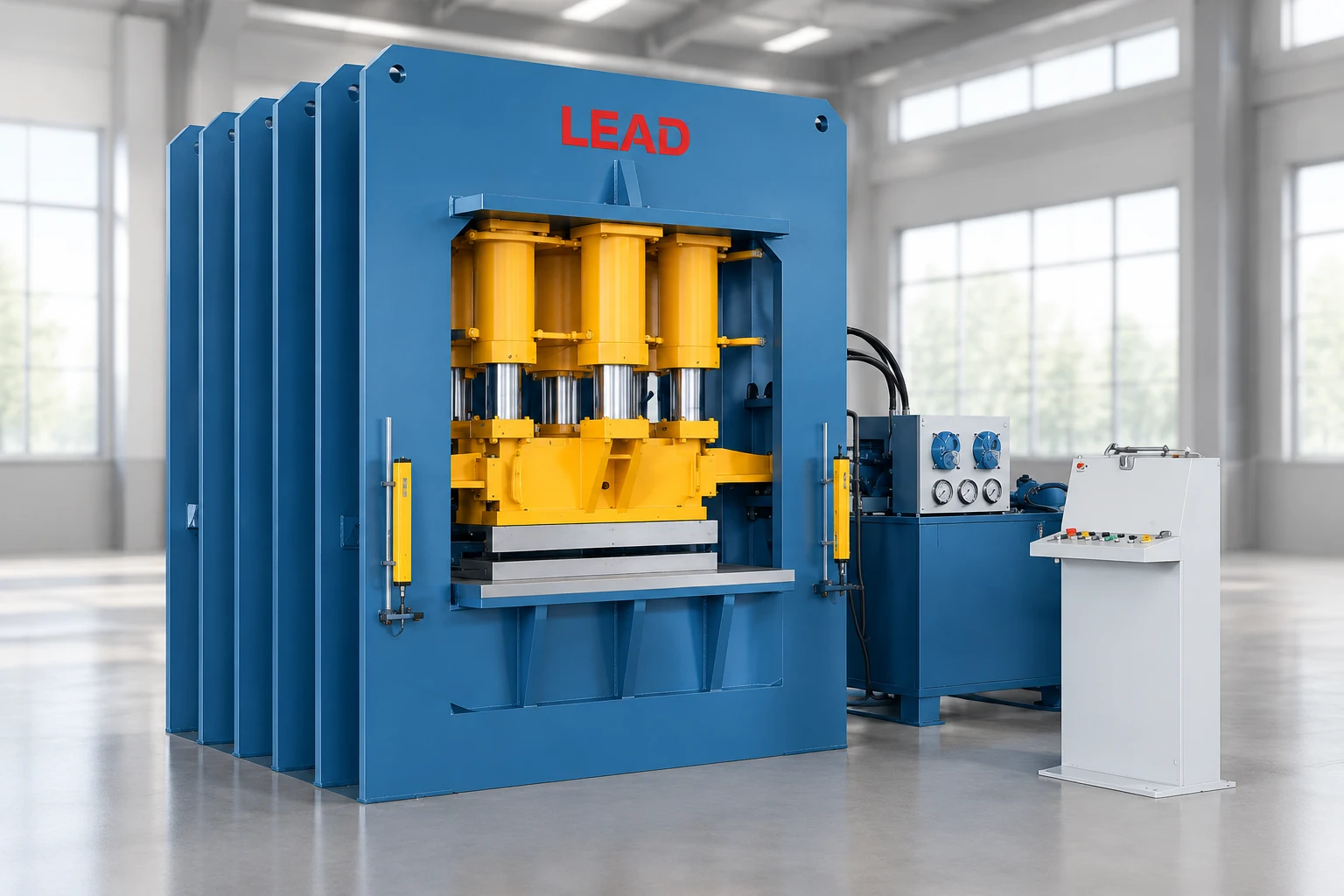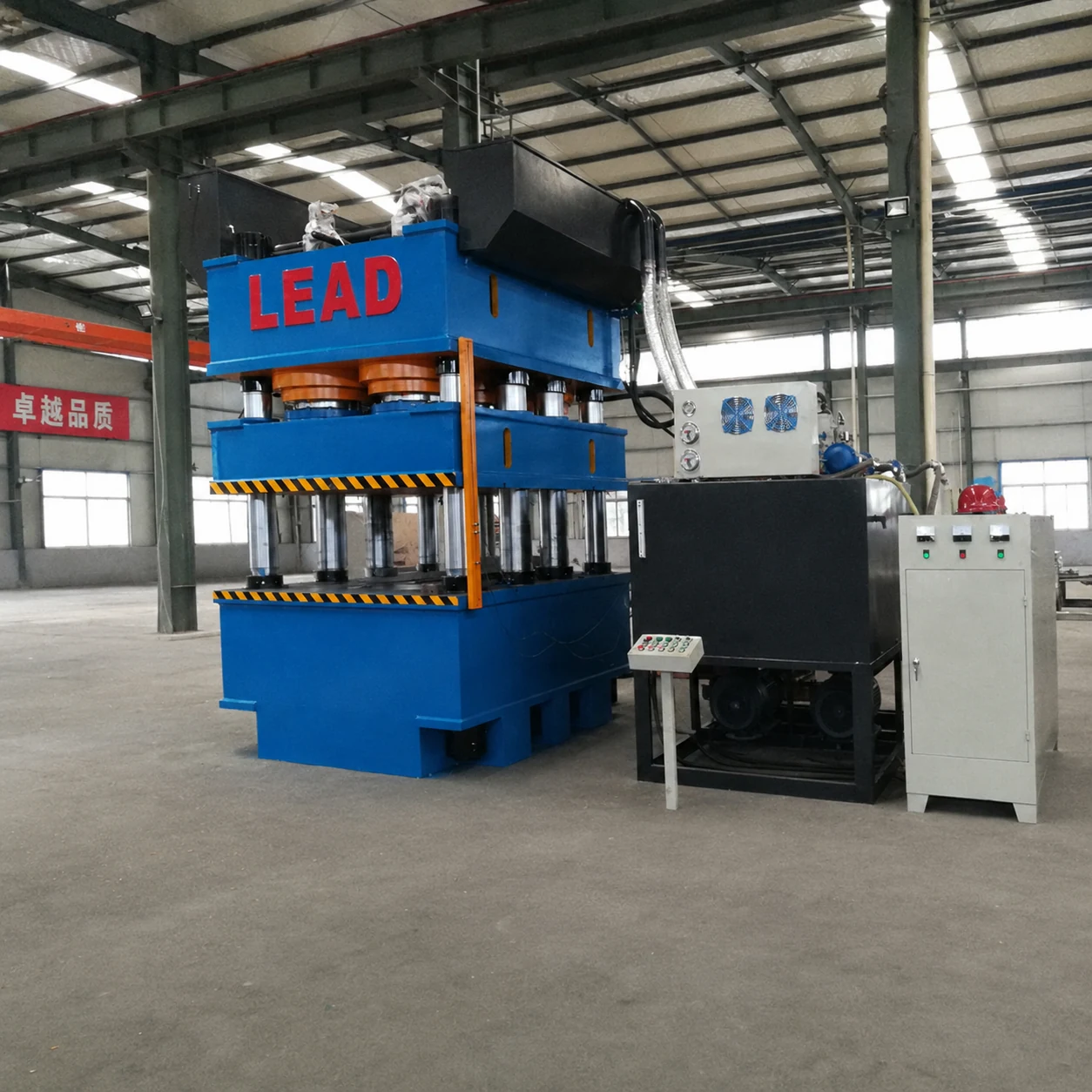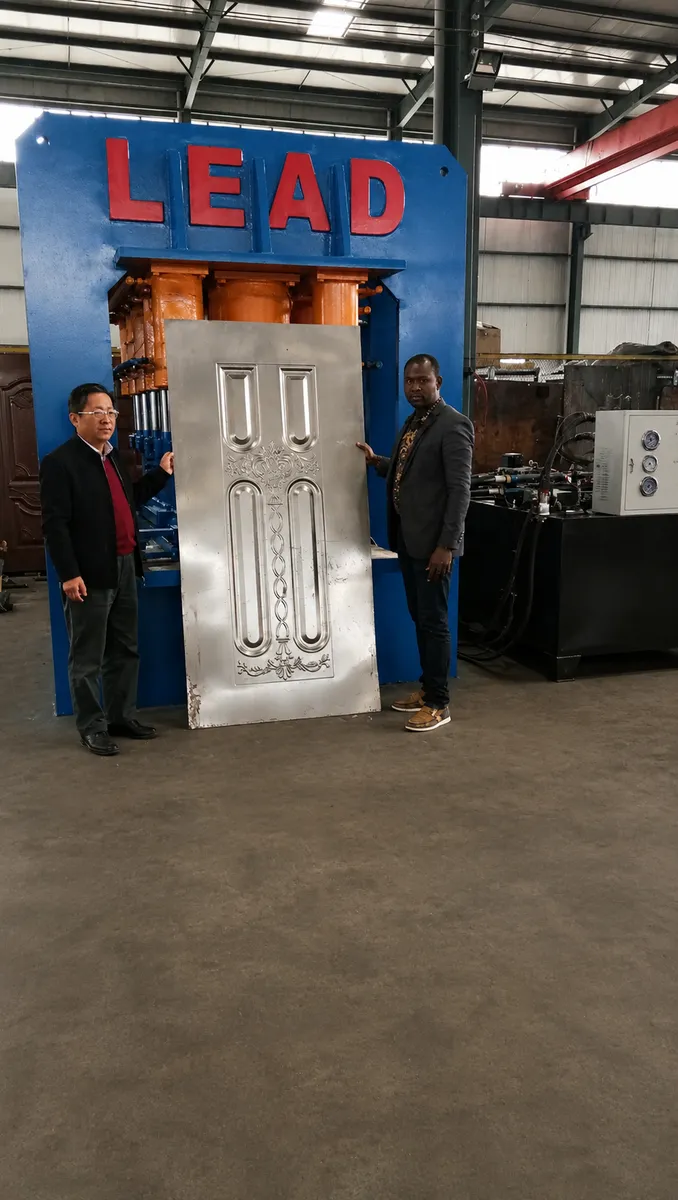
The press and die must be engineered together
A door pattern is produced by the interaction of sheet, die and press. A machine with suitable tonnage can still fail to run an existing die if daylight, shut height, table geometry or guiding interfaces are wrong.
Share tooling information at the beginning of the project rather than after the machine specification is fixed.
Essential information for an existing die
Collect basic dimensions and clear photographs of the upper and lower tooling. Measure rather than estimate whenever possible.
- Die length, width and total shut height
- Upper and lower shoe dimensions
- Working pattern area and pattern depth
- Die weight and lifting points
- Clamping, locating and connection method
- Required cushions, blank holders or ejection features
For a new pattern, define the target clearly
Provide a dimensioned drawing, CAD data where available, or a physical sample. Indicate surface requirements and which details are functionally critical.
Pattern depth, corner radii and transitions should be reviewed for the selected material and thickness. The tooling designer may recommend changes to improve forming and die life.
Plan die change and storage before installation
Die weight and frequency of change determine handling requirements. The press layout should allow the chosen cart, crane or loading method to operate safely.
Storage should protect pattern surfaces and keep dies identifiable. Recipe names in the HMI should match the physical die identification.
Use trials to establish repeatable settings
During commissioning, record pressure, stroke, speed, dwell and blank-holding settings for each approved die. Inspect the full panel rather than only the center.
LEAD can include tooling review in the press proposal and define responsibility for trials, sample approval and final acceptance.
Need a machine recommendation?
Send your panel drawing, material, thickness and target output. LEAD engineers will review the application and propose a suitable configuration.
Request an engineering review ↗